News

Analysis of the Differences Between Overvoltage Protectors and Lightning Arresters in Working Principles and Applications

2026-01-30 0 Leave me a message

In power systems and various electrical equipment, overvoltage and lightning strikes are two of the most common and destructive safety hazards. To mitigate these risks, overvoltage protectors (SPDs) and lightning arresters are typically installed in engineering applications.

Although both are electrical protection devices, they have significant differences in their protected objects, working principles, and application scenarios, and cannot be simply interchanged or substituted for each other.

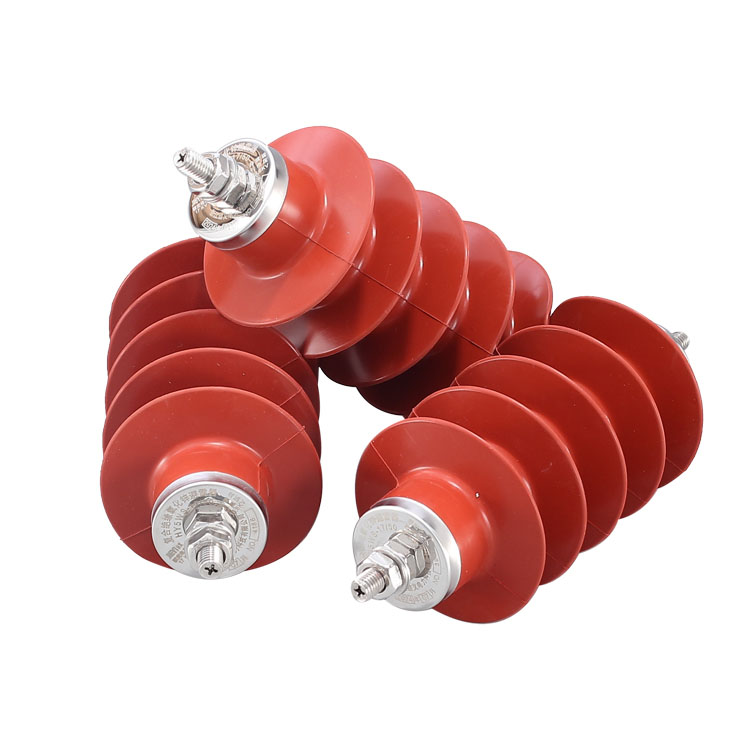
lightning arresters

I. Overvoltage Protector: The "First Line of Defense" Against Internal System Overvoltage


Overvoltage protectors, also commonly known as surge protection devices (SPDs), are primarily used to protect against overvoltages generated within the power system, such as:


Operating overvoltage (switching on, switching off, sudden load changes)


Induced overvoltage


Lightning-induced surges (non-direct lightning strikes)


Working Principle


When the system voltage is within the normal range, the overvoltage protector is in a high-impedance state and has almost no effect on system operation;

Once the line voltage instantaneously exceeds its allowable value, the non-linear components inside the protector quickly conduct, diverting, clamping, or absorbing the excess energy, thereby limiting the voltage at the equipment end to a safe range.


Common functional components include:


Metal oxide varistor (MOV)


Gas discharge tube (GDT)


Silicon controlled rectifier (SCR)


Typical Installation Locations


Power distribution cabinet incoming line end


Busbar system


Front end of precision equipment (PLC, instruments, communication equipment, etc.)


Its core function is to: reduce the overvoltage amplitude and protect equipment insulation and internal electronic components.


II. Lightning Arrester: Providing a "Path for Lightning Energy"


Lightning arresters are primarily used to protect against direct lightning strikes and strong lightning surges. The focus is not on "limiting voltage," but on rapidly discharging the lightning current.


Working Principle


When lightning strikes a transmission line or building, the lightning arrester can form a low-impedance channel in a very short time, directly diverting the huge lightning energy to the ground, preventing the lightning current from passing through the equipment body or building structure, thereby reducing:


Equipment breakdown


Insulation damage


Risk of electric shock to personnel


Under no lightning strike or normal operating conditions, the lightning arrester basically does not participate in system operation.

 Common Types


Pin-type lightning arresters


Metal oxide surge arresters (gapless type)


Typical Application Scenarios


Transmission and distribution lines


Substations


Building lightning protection systems


Outdoor electrical facilities


Lightning arresters emphasize protecting against direct lightning strikes and energy dissipation, rather than precise voltage control.


Comparison Between Overvoltage Protectors and Lightning Arresters


Comparison Aspect Overvoltage Protector (SPD) Lightning Arrester
Main Protection Target Internal system overvoltage and surge Direct lightning strikes and high lightning current
Primary Function Limits voltage levels to protect equipment Rapidly discharges lightning energy to ground
Operating Condition Acts frequently during system operation Operates mainly during lightning events
Energy Handling Method Absorbs, clamps, or diverts surge energy Directly conducts lightning current to earth
Typical Installation Location Distribution boards, control panels, equipment inputs Power lines, substations, building lightning protection systems
Interchangeability Not interchangeable Not interchangeable


IV. Correct Selection Approach in Engineering Practice


In practical engineering, surge protectors and lightning arresters are often used in combination rather than as an either/or choice:


Lightning arresters: Responsible for "blocking and diverting lightning"


Surge protectors: Responsible for "attenuating residual surges and protecting sensitive equipment"


Only by forming a graded protection system can the safety and stability of the electrical system be truly enhanced under the dual risks of lightning strikes and system overvoltage.


Related News
Leave me a message
X
We use cookies to offer you a better browsing experience, analyze site traffic and personalize content. By using this site, you agree to our use of cookies. Privacy Policy
Reject Accept