News

Can Your Outdoor Vacuum Circuit Breaker Survive Lightning Strikes, Ice Storms, and Scorching Heat Without Missing a Beat?

2026-09-03 0 Leave me a message

Shanghai Zikai Electric Co., Ltd. develops high-voltage electrical equipment as extreme weather conditions increase attention on Outdoor Vacuum Circuit Breaker performance in power distribution systems.

Outdoor power equipment is exposed to changing environmental conditions throughout its operating life. From summer heat waves and intense solar radiation to lightning storms, heavy rain, and freezing temperatures, these factors can influence the stability and service life of electrical devices.

As electricity networks expand into more complex environments, outdoor switching equipment needs to consider not only electrical performance but also resistance to climate-related stress. The ability to operate under different weather conditions has become an important factor in power infrastructure planning.

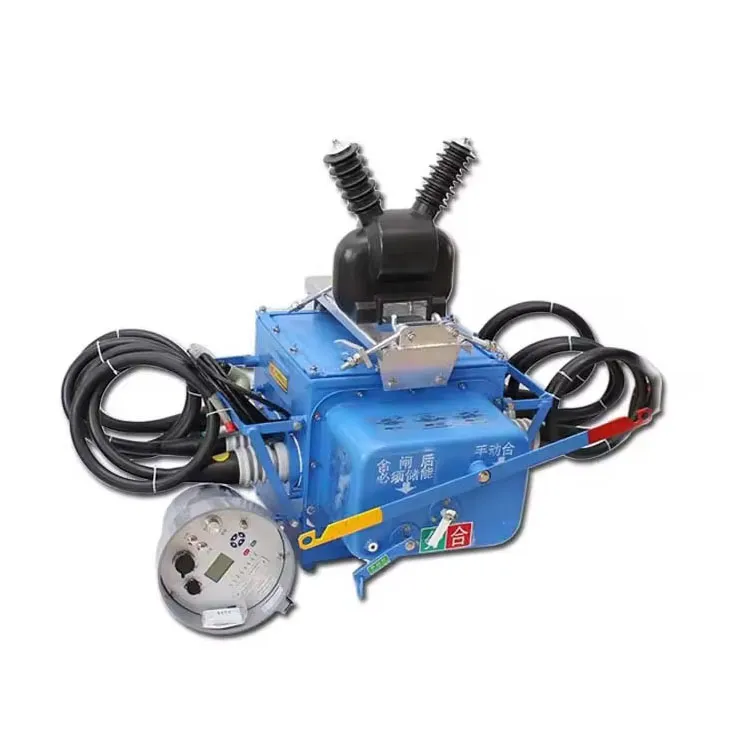
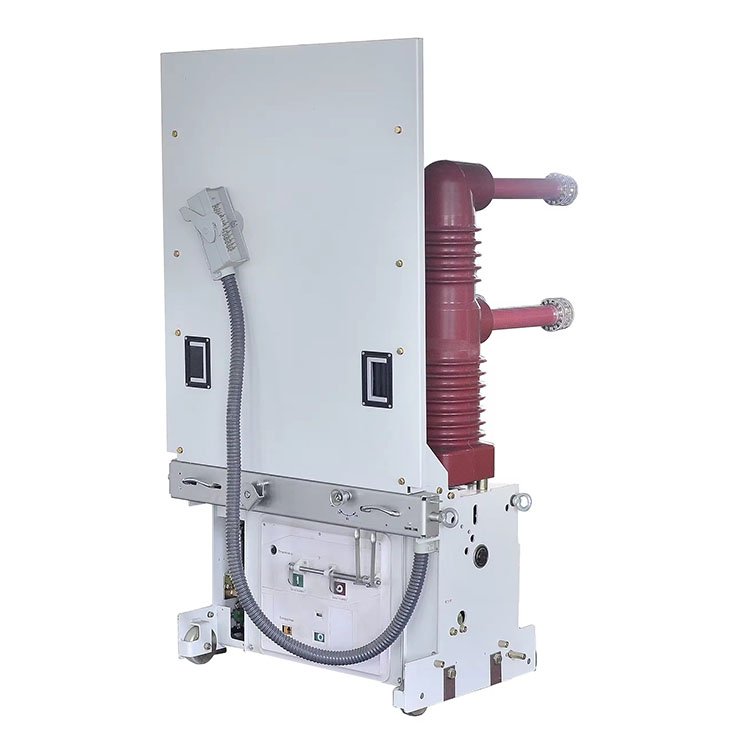
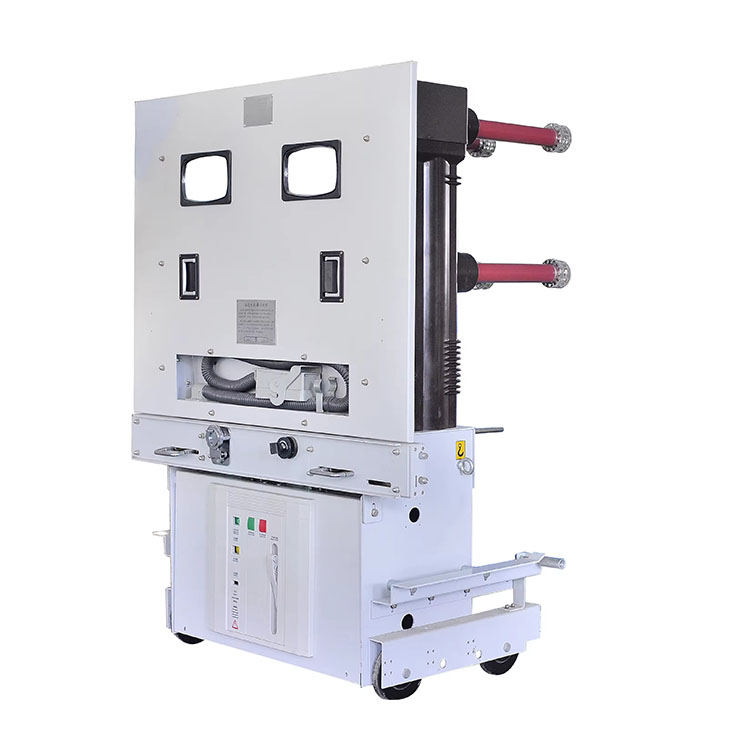
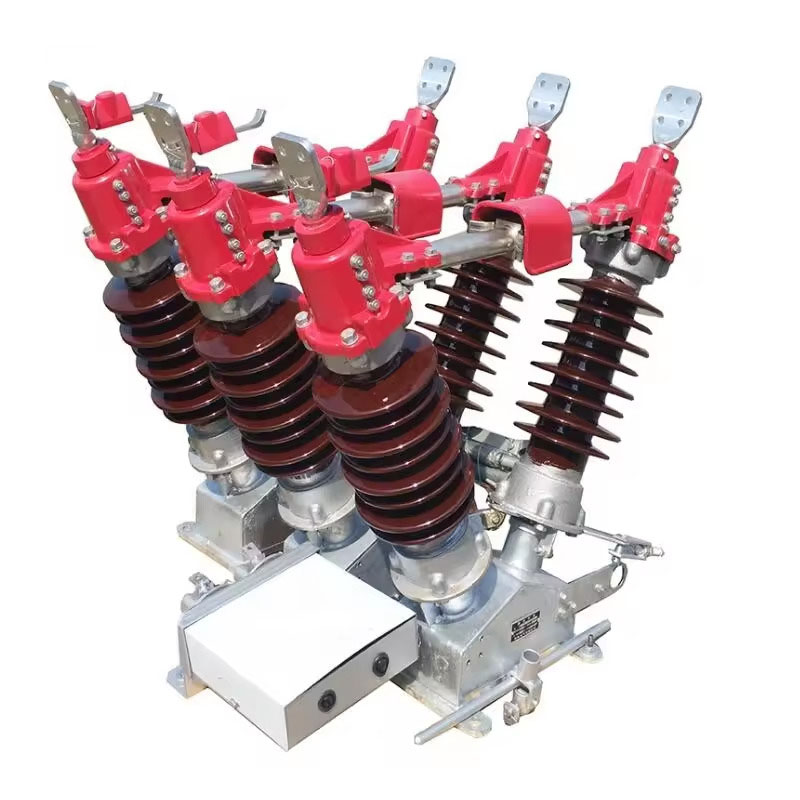
Outdoor Vacuum Circuit Breaker

Why Outdoor Circuit Breakers Face Environmental Challenges

Indoor electrical equipment benefits from controlled temperatures and limited exposure to external conditions. Outdoor installations, however, must operate directly in natural environments where temperature, humidity, pollution, and mechanical forces can change significantly.

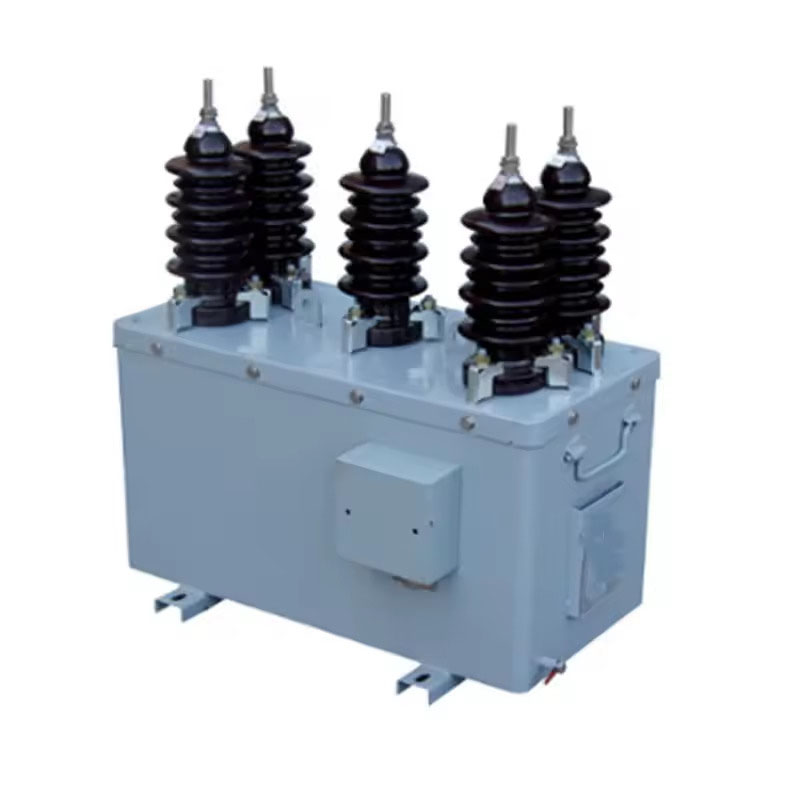
A modern Outdoor Vacuum Circuit Breaker is commonly designed with sealed structures, insulation systems, and protective components to maintain switching performance in outdoor applications.

Common environmental factors include:

Environmental Condition Potential Impact
Lightning activity Temporary overvoltage may place stress on insulation systems
Rain and humidity Moisture can affect insulation and metal components
Ice accumulation Additional mechanical load may affect external structures
High temperatures Accelerated aging of materials may occur
Dust and industrial pollution Surface contamination may influence insulation performance

These conditions require equipment designs that consider long-term operation rather than only short-term electrical functions.

How Vacuum Switching Technology Handles Harsh Conditions

The main operating component of a vacuum circuit breaker is the vacuum interrupter. Inside the interrupter chamber, electrical arcs are controlled within a vacuum environment, allowing current interruption with reduced contact erosion compared with traditional air-based switching methods.

For outdoor applications, vacuum interrupters are usually integrated with weather-resistant insulation structures and protective housings. These designs help reduce the influence of moisture, dust, and temperature variations on internal components.

An Outdoor Vacuum Circuit Breaker normally works together with other protection devices, including surge arresters and grounding systems, to manage abnormal electrical conditions across the network.

Response to Lightning-Related Electrical Stress

Lightning strikes can generate sudden voltage increases in power systems. Circuit breakers alone cannot eliminate lightning risks, but they form part of a coordinated protection system.

Through proper insulation coordination, grounding design, and surge protection measures, electrical networks can reduce the impact of transient overvoltage events. When faults occur, circuit breakers provide switching functions that help isolate affected sections of the system.

Operation in Cold and Icy Environments

Low temperatures create different challenges for outdoor electrical equipment. Ice formation may increase mechanical stress, while freezing conditions can influence moving components and operating mechanisms.

For equipment used in cold regions, factors such as material selection, sealing methods, and low-temperature operating capability need to be considered during design and testing.

Performance Under High Temperature Conditions

High temperatures can affect insulation materials, lubricants, and mechanical components over long operating periods. Outdoor equipment may also experience additional heating caused by direct sunlight.

Thermal design, appropriate materials, and protection structures are important factors in maintaining stable operation during hot weather conditions.

Manufacturing Control and Product Consistency

Environmental performance depends not only on product design but also on production processes and quality management.

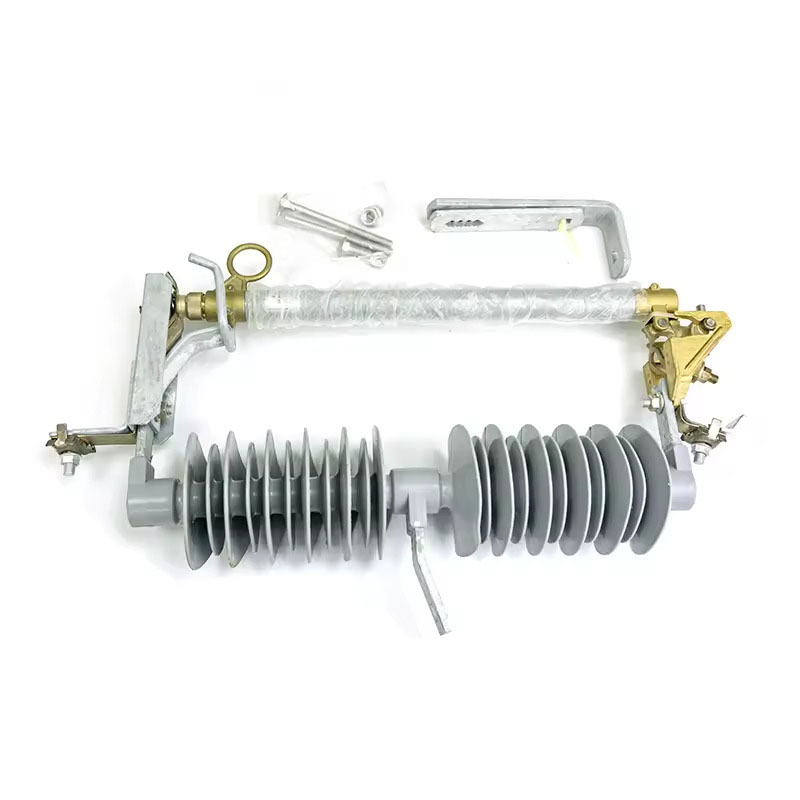
Shanghai Zikai Electric Co., Ltd. was founded in 2015 and focuses on research, production, and sales of high-voltage electrical equipment. Its product range includes vacuum circuit breakers, load switches, drop-out fuses, high-voltage isolation switches, lightning arresters, grounding switches, and stainless steel distribution boxes.

The company applies standardized production management in its workshop and introduced EP software to monitor production processes. From raw material management to finished product inspection, digital process tracking is used to improve production control and consistency.

Factors to Consider for Outdoor Electrical Equipment

Different installation environments create different operating requirements. Equipment used in coastal regions may face humidity and salt exposure, while equipment installed in mountainous or northern areas may experience freezing temperatures and ice loads.

Key factors include:

Consideration Purpose
Operating temperature range Ensures suitability for seasonal temperature changes
Insulation design Helps manage voltage stress under different conditions
Protection structure Reduces environmental influence on internal components
Mechanical operation capability Supports repeated switching actions
Coordination with protection devices Improves overall system response

These considerations are becoming increasingly important as power systems expand into renewable energy projects, industrial areas, and remote locations.

Weather Resistance and the Future of Power Networks

Modern electricity networks are becoming more distributed and interconnected. Renewable energy facilities, industrial production sites, and urban infrastructure all require electrical equipment capable of operating in diverse environments.

Extreme weather events are also becoming a greater consideration in infrastructure planning. Equipment selection now involves evaluating not only rated electrical parameters but also environmental adaptability and long-term operational requirements.

Conclusion

Outdoor electrical equipment must withstand a wide range of conditions, including lightning, freezing weather, and high temperatures. The combination of vacuum switching technology, protective structures, and controlled manufacturing processes helps address these environmental challenges. Shanghai Zikai Electric Co., Ltd. continues developing products such as the Outdoor Vacuum Circuit Breaker and other high-voltage electrical equipment for evolving power distribution applications.

Related News
Leave me a message
X
We use cookies to offer you a better browsing experience, analyze site traffic and personalize content. By using this site, you agree to our use of cookies.Privacy Policy