Zikai Electric completes capacitor replacement across nine American-style substations in Kashgar, Xinjiang
Out in the windblown reaches of Kashgar, nine American-style substations have just had their capacitor compensation units replaced — old capacitors out, new banks in, phase checks and switching tests done. On paper it looks like straightforward work. What actually decides how those units behave for the next decade, though, is everything you cannot see in a photograph.
|
Location |
Kashgar, Xinjiang Uygur Autonomous Region, China |
|
Units |
9 × American-style substations |
|
Scope |
Replacement of capacitor (reactive power compensation) units |
|
Status |
Replacement work completed |
In a low-voltage distribution system the capacitor bank is the quiet component nobody notices — until it fails, and then a whole section is affected. Its job is reactive power compensation. Get it right and the power factor holds steady, line current drops, and effective transformer capacity is freed up. Get it wrong and losses climb, voltage fluctuates, and power-factor penalty charges start to loom.
Which is why capacitor replacement is never a simple like-for-like swap. Capacitors in service for years lose capacitance, bulge and degrade internally. If new units are dropped back into the same positions without addressing switching coordination, series reactor matching, and cabinet wiring and labelling, the next failure is only a matter of time.
A capacitor changeout is a chance to reset the system — restoring compensation capability, switching reliability and serviceability to their designed state in one pass.
Nine units spread across an outdoor site means scattered work fronts and a tight window. This is the field record from the job.
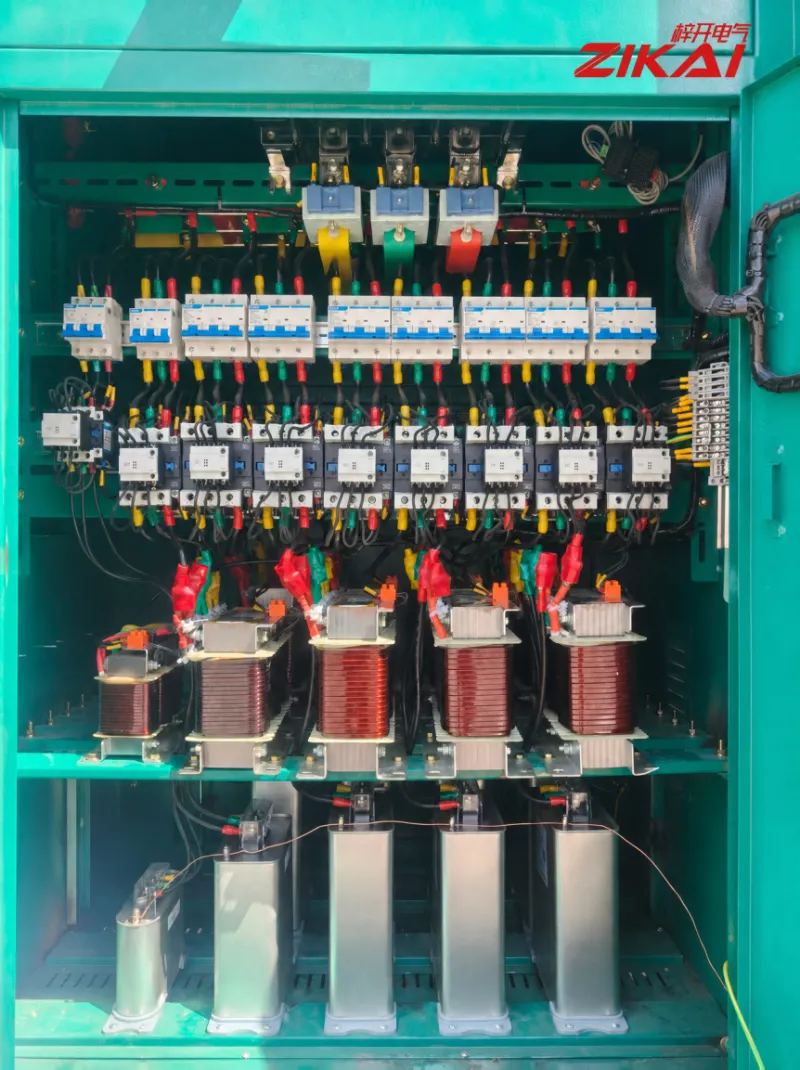
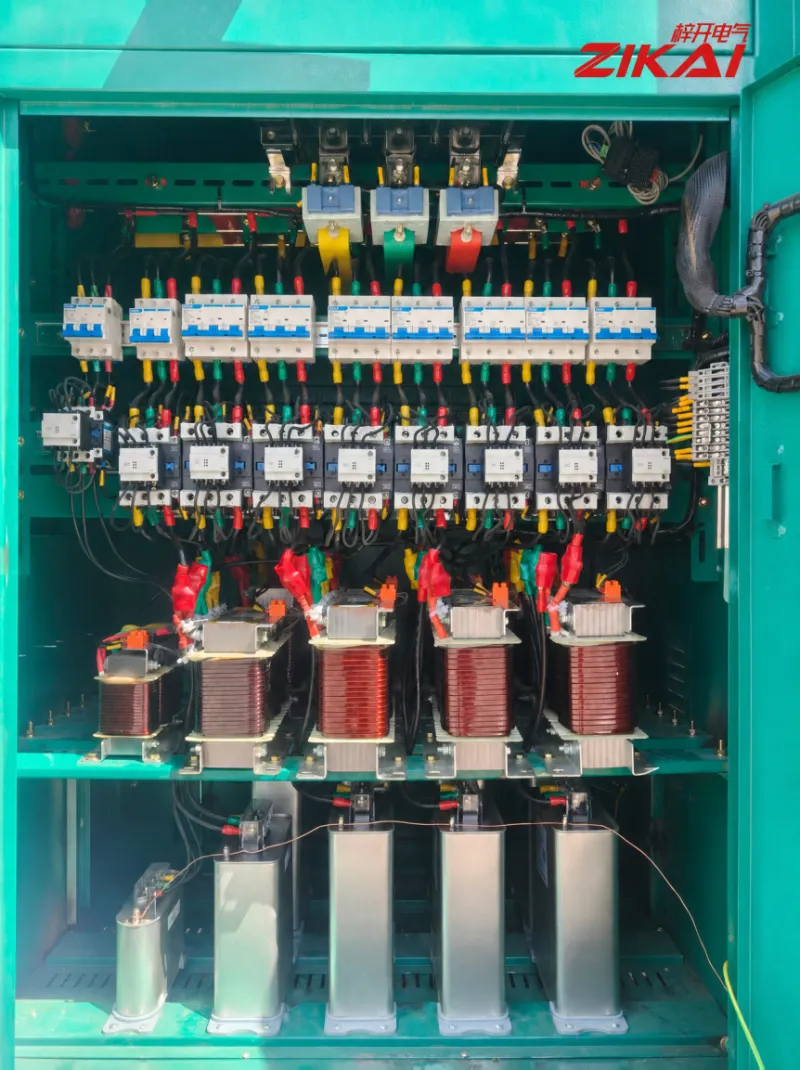
Figure 01 Inside the capacitor compensation cabinet. From top to bottom: miniature circuit breakers for branch protection, switching contactors, series reactors, and the low-voltage parallel capacitor bank at the base. Busbars and outgoing conductors are phase-coded yellow, green and red, with wire-number sleeves on each circuit and insulation boots on the terminations — details that directly determine how fast an inspection or fault can be traced later.
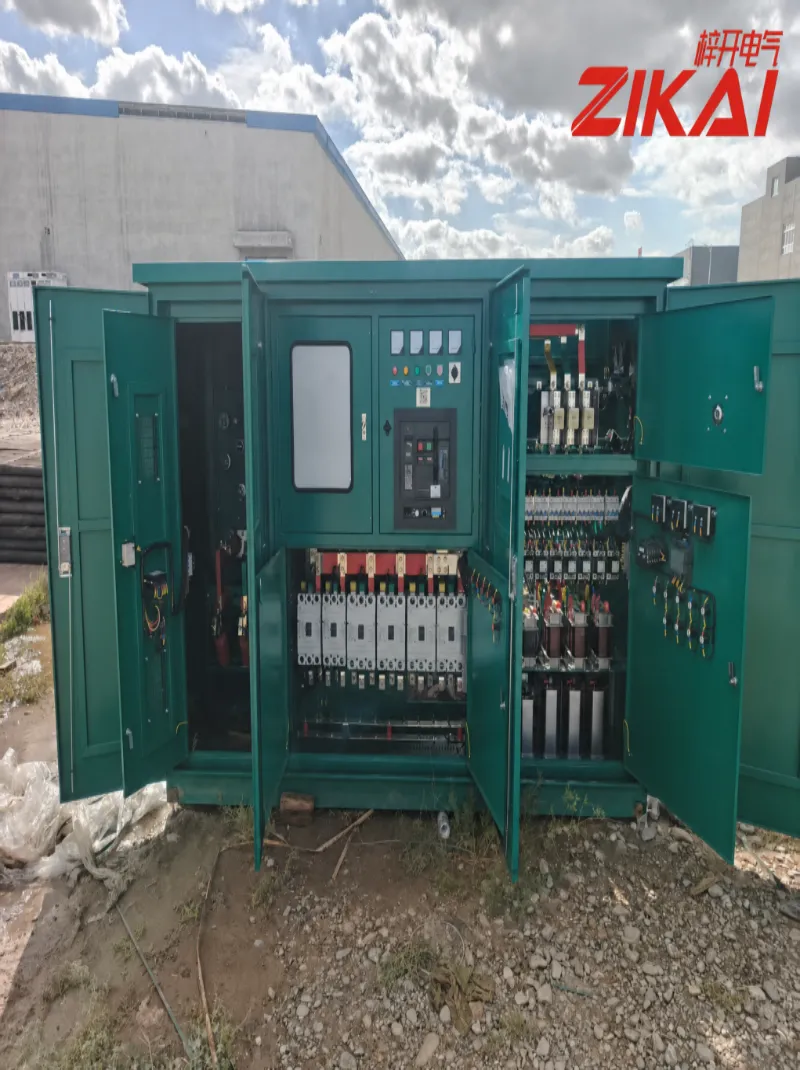
Figure 02 Inside the low-voltage compartment of a substation. Moulded-case circuit breakers, meters and indicator lamps are grouped together, with the capacitor compensation circuits on the right. How components are laid out with the doors open is the clearest view of whether a unit will be easy to maintain.
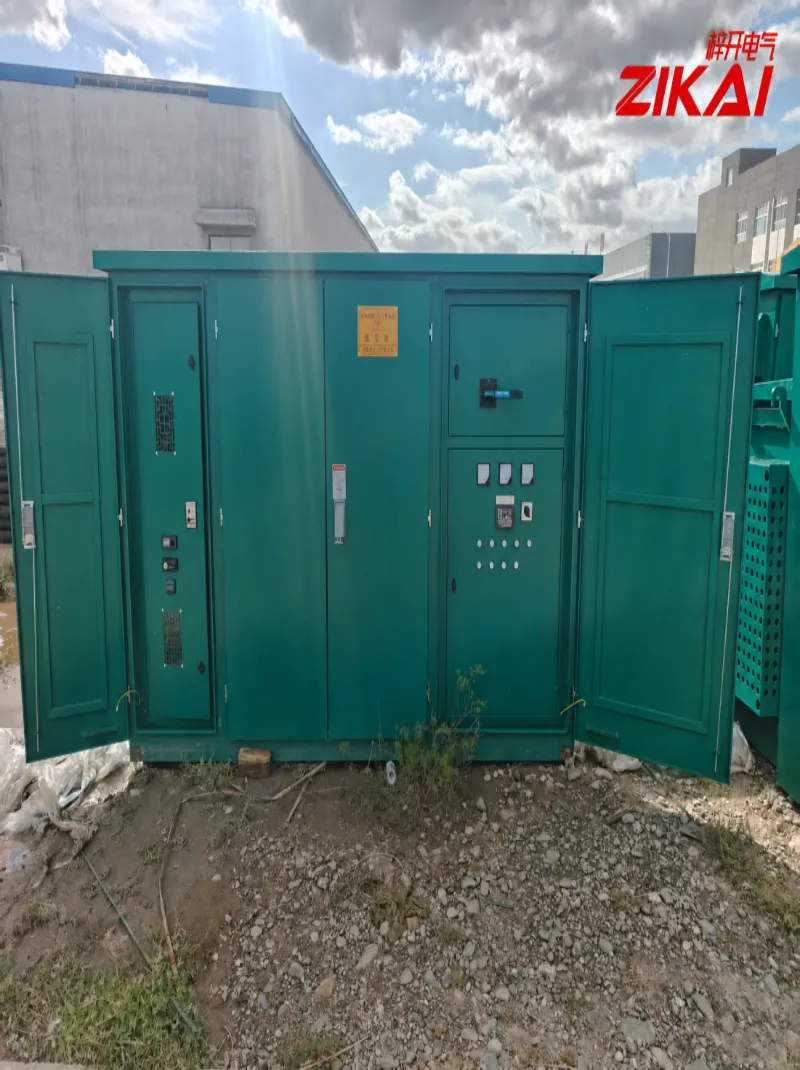
Figure 03 Exterior of the low-voltage compartment of an outdoor substation. The yellow "Low Voltage Room / Authorised Personnel Only" warning signs are intact and legible — a baseline requirement for on-site safety and a mandatory item at handover inspection.
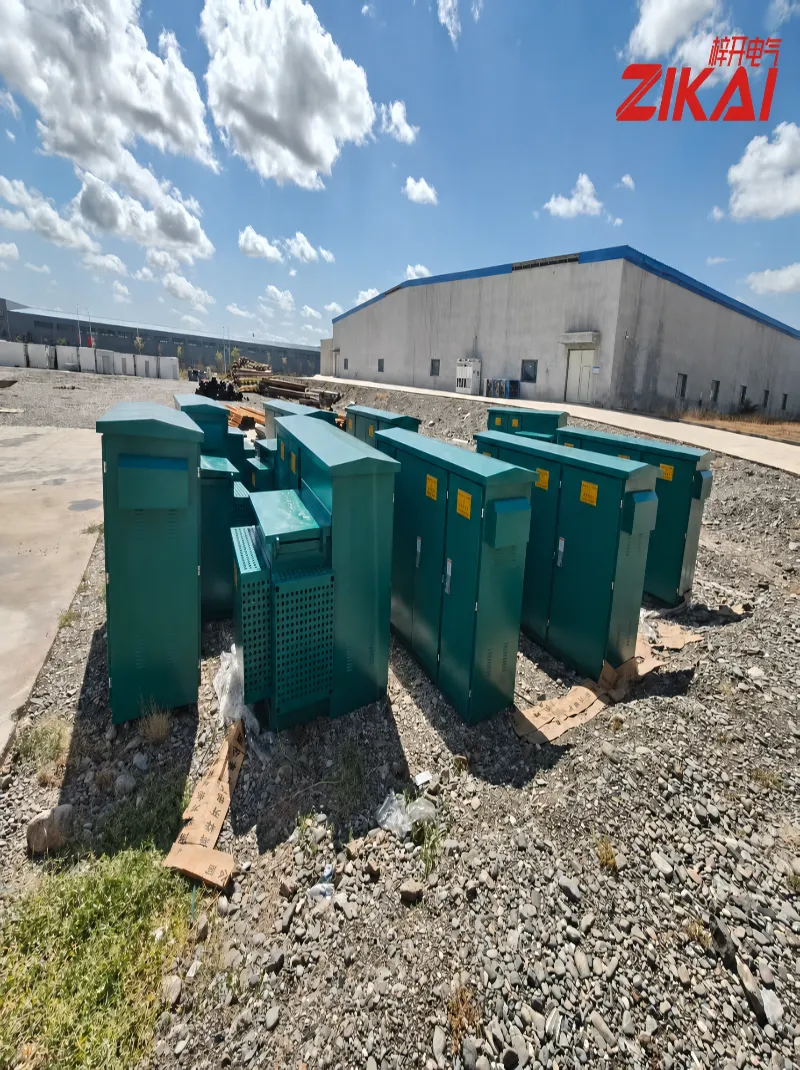
Figure 04 High-voltage, low-voltage and capacitor compensation compartments side by side. The capacitor compensation compartment is what this job centred on. Once the enclosures are positioned on the outdoor base, sealing, ventilation and grounding continuity must also be confirmed unit by unit.
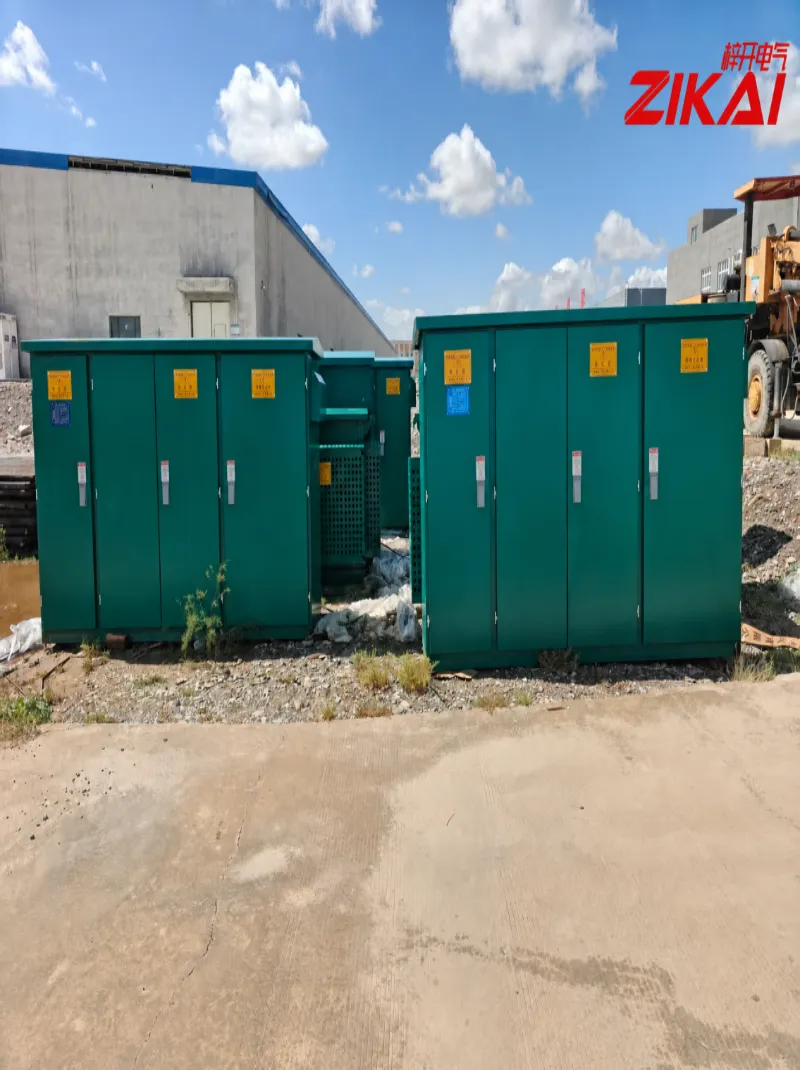
Figure 05 Equipment delivered to site and prepared for installation. Outdoor work means competing with weather, windblown sand and site conditions — how tightly the work sequence is scheduled often decides the pace of delivery.
Capacitor circuits normally work in tandem with series reactors, which damp harmonic amplification and limit inrush current at switching. If the condition of the reactor and the contactor is ignored during a replacement, a brand-new capacitor bank can be exposed to an inrush far beyond what it was designed for.
Phase colour coding, wire-number sleeves, terminal insulation boots, harness bundling, busbar fastening and torque — these are the parts that look unremarkable in an acceptance photograph, and that a technician will depend on a decade later. Done properly, a fault may be traced in ten minutes. Done carelessly, it can take a full day.
If component layout, phase definition and labelling differ from unit to unit on the same site, maintenance becomes guesswork. We applied a single work standard and labelling convention across all nine units and kept photographic records on site, so the equipment is traceable from the day it is handed over.
• Compensation restored — reactive compensation is back at normal levels, improving power factor and voltage quality, helping cut line losses and ease the load on transformers.
• More reliable switching — the relationship between capacitors, reactors and contactors is re-established, reducing the risk of secondary damage from abnormal switching.
• Easier maintenance — a consistent phase-colour and wire-number scheme makes inspection, fault location and spare-part replacement faster.
• A documented process — key stages are photographed and archived, ready to be pulled up for future servicing or system expansion.
Zikai Electric (ZIKAI) manufactures, retrofits and services complete power equipment packages — from substations and capacitor compensation devices to associated distribution and cable-junction equipment. Our work is concrete: make equipment stable, serviceable and trouble-free under real operating conditions.
Kashgar is one stop on that route. From humid coastal sites to the windblown north-west with its wide temperature swings, equipment never operates under laboratory conditions — which is exactly why we insist on getting every termination and every label right.