The power distribution works at the Zhengzhou Technician College project have completed commissioning and acceptance, and the equipment now stands ready for energisation. It takes a few seconds to say. Behind it sit dozens of circuits checked one by one, protection settings and signals confirmed over a full round of verification — and the confidence to meet energisation day without hesitation.
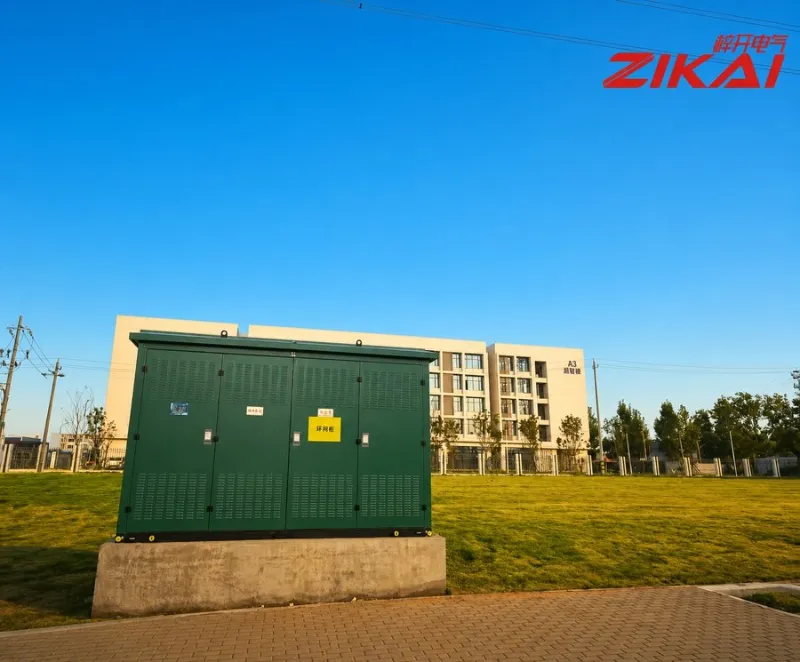
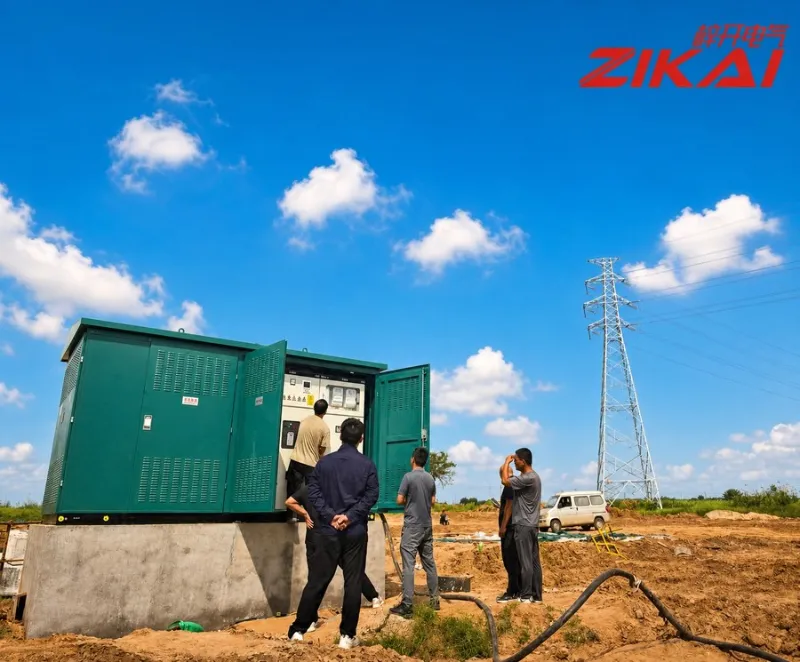
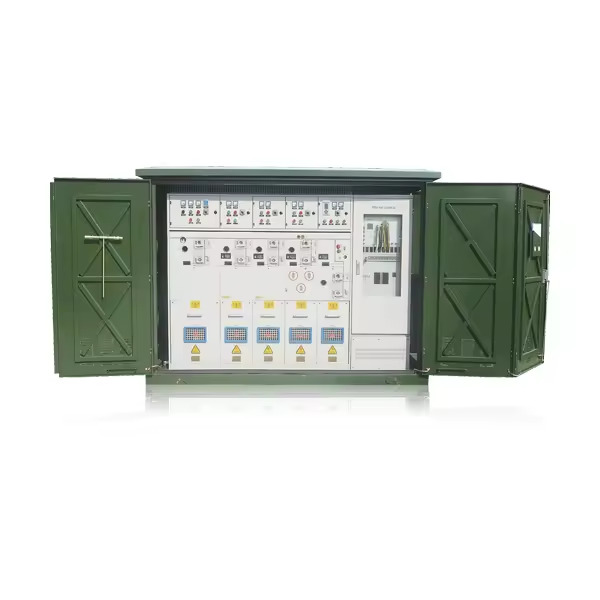
Cover On site at the Zhengzhou Technician College project. The ring main unit sits beside the campus lawn, settling naturally into its surroundings.
|
Location |
Zhengzhou Technician College, Zhengzhou, Henan, China |
|
Scope |
Commissioning and acceptance of the power distribution works |
|
Status |
Commissioning and acceptance complete — awaiting energisation |
Getting equipment installed only means the cabinets are standing in the right place. What actually decides whether they can be put into service with confidence is the round of work that follows:
• Do the circuits match? Every outgoing circuit aligned one for one with the drawings, with phase rotation, numbering and destinations clearly traceable.
• Can the protection be relied on? Settings applied as designed, and operation verified as accurate and dependable.
• Do the signals tell the truth? Signals, interlocks and indications consistent with the design, able to surface abnormal conditions when they occur.
• Does the site match the paperwork? Labelling, drawings and actual site conditions in complete agreement.
Commissioning is a full health check on the equipment. Acceptance puts the conclusions of that check on the table for all parties to confirm together. Only when both are complete is a system genuinely ready to run the moment power is applied.
Below is the field record from equipment arrival and positioning through to completed commissioning at the Zhengzhou Technician College project.
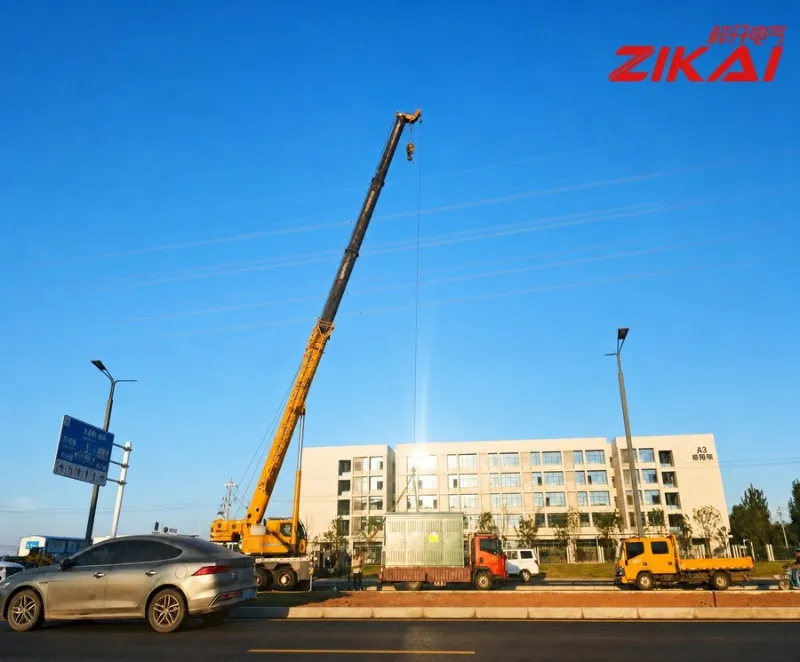
Figure 01 Lifting into position. A crane handles unloading and placement of the larger units as soon as they arrive, with ground protection and work-zone control set up alongside.
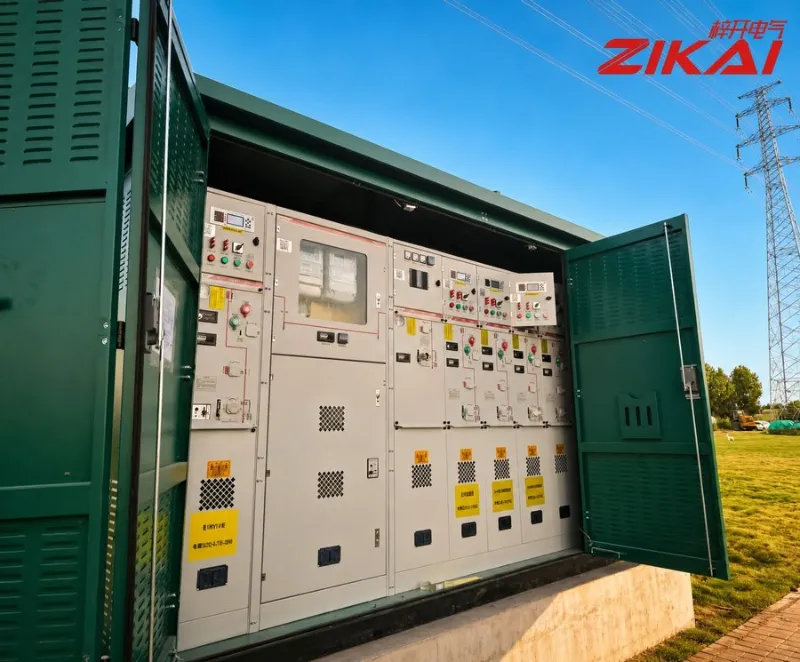
Figure 02 Opening up for inspection. With the doors open, internal components, wiring and nameplate data are checked one by one against the design drawings.
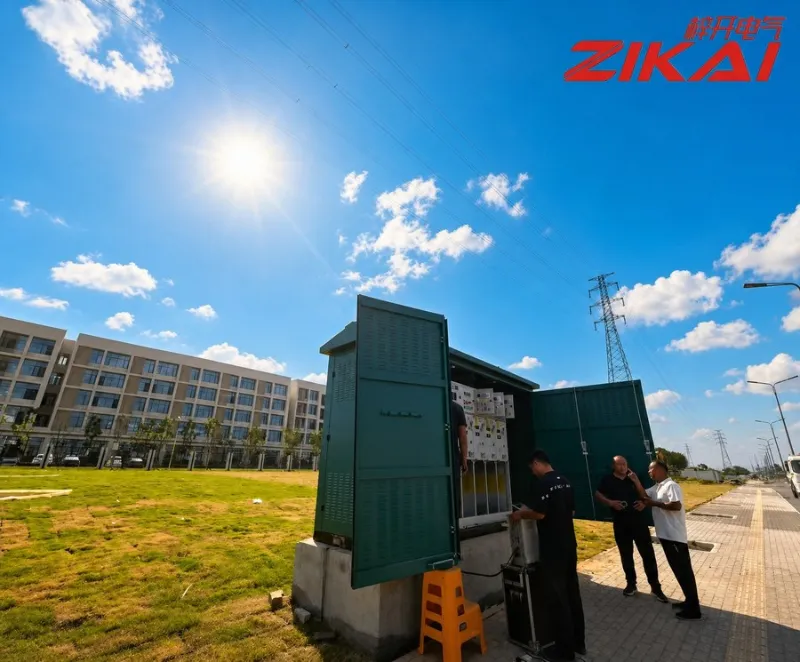
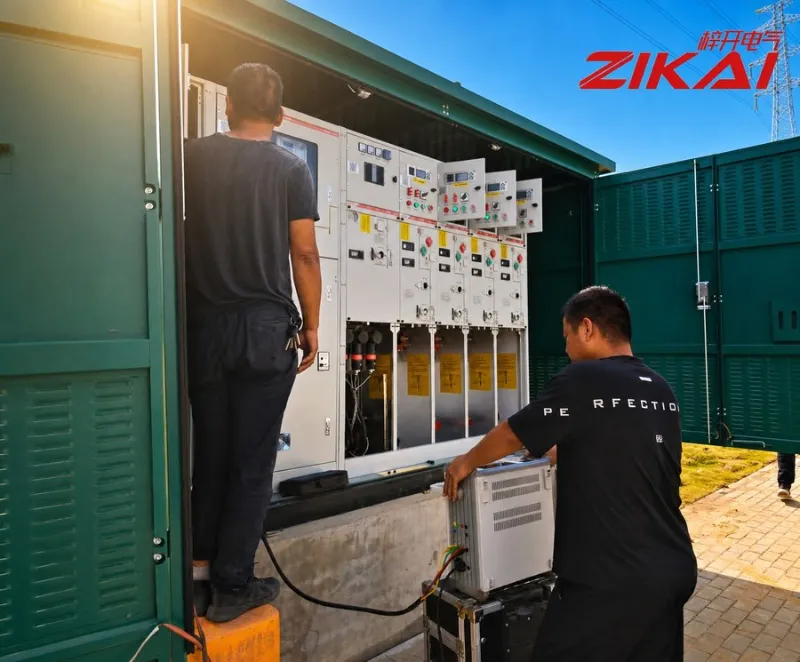
Figure 03 On site. The team works through the internal checks together, keeping the work area tidy and well organised.
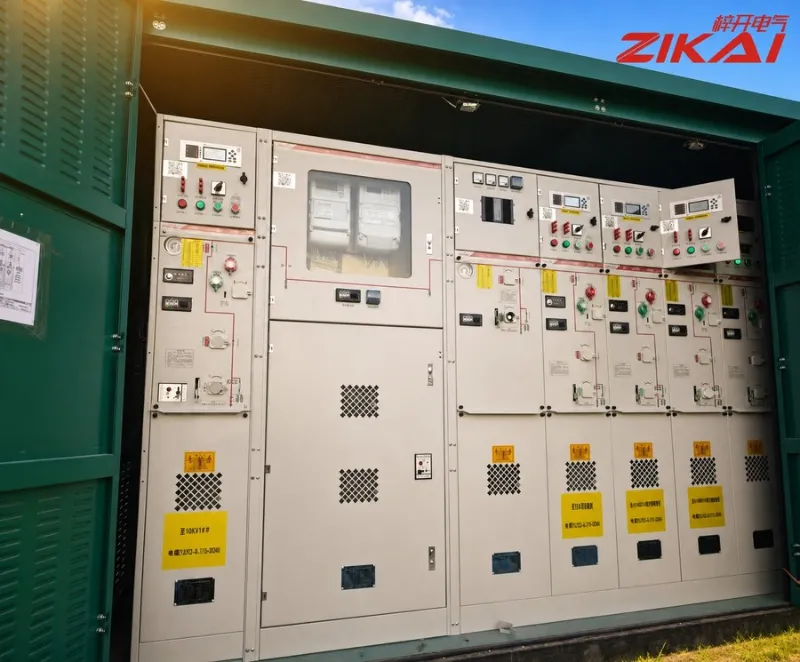
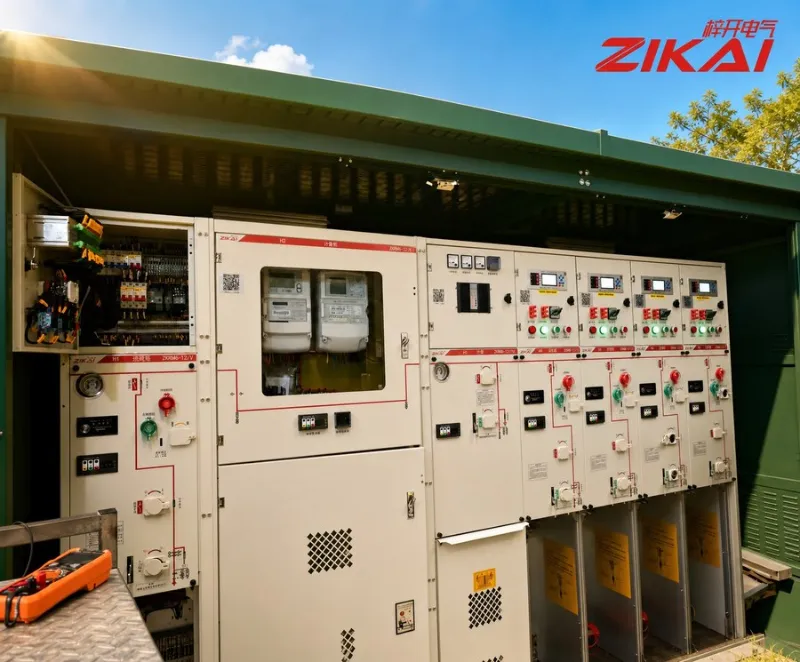
Figure 04 The high-voltage switchgear group. Safety warning labels and QR-coded nameplates are all in place, serving both safety and asset management.
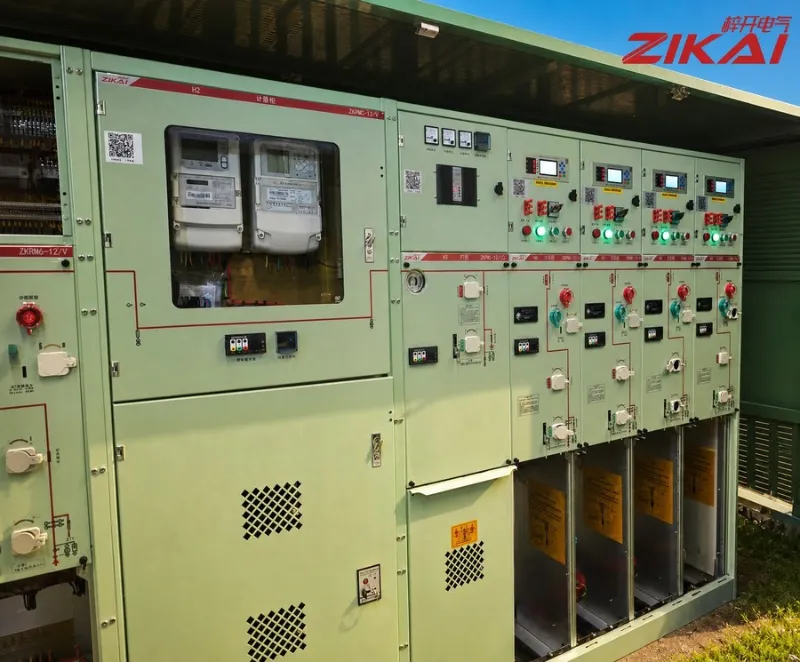
Figure 05 The low-voltage control panel. Meters, indicator lamps and operating switches are grouped together, so operating status reads at a glance.
Figure 06 Commissioning. Circuits are verified one by one and signal feedback observed, confirming that each behaves as designed.
Figure 07 Working in step on site. Several trades advance together, keeping the pace aligned with the energisation plan.
Figure 08 Cabinet layout. Technical data and QR-coded information on the equipment are complete, supporting later inspection rounds and documentation traceability.
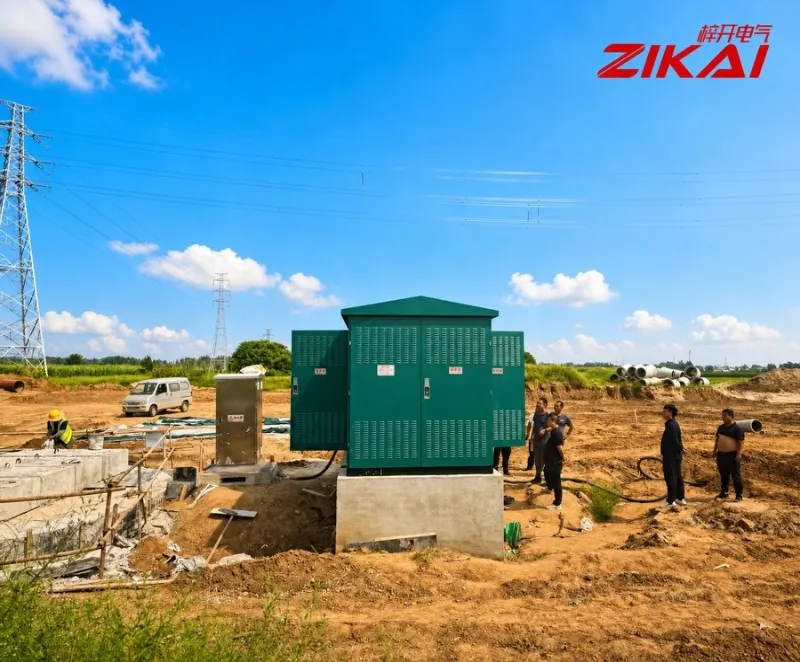
Figure 09 Substation positioned. The enclosure sits on its concrete foundation while associated works continue around it.
Energisation is a dividing line. Before it, anything can still be redone. After it, the equipment is in real operation, and no latent problem gets a second chance.
Which makes the waiting period the stage where discipline matters most: a final sweep of the site, all temporary measures removed, cabinet doors, sealing and grounding restored one by one, and the energisation plan and contingency measures confirmed in parallel. The more thorough the preparation, the smoother energisation day goes.
Commissioning does not end at "the breaker closes." It ends when every signal can be explained.
• Documentation matches the site. Drawings and records handed over stay in step with actual conditions, so future maintenance never has to guess.
• Every state is traceable. Key commissioning and acceptance stages are recorded — who confirmed what, and when, is on the record.
• We stay after handover. Energisation is not the end of the project; it is where our service enters its operational support phase.
Zikai Electric (ZIKAI) manufactures, retrofits and services complete power equipment packages, covering substations, distribution assemblies and associated works. From factory floors to campuses, from the coast to the inland provinces, our work stays concrete: keep equipment stable under real operating conditions, and stay reachable when our clients need us.